
- Shower Panels
-
Showering
- Shower Doors & Enclosures
- Walk In Showers
- Shower Trays
- Shower Valves
- Bath Shower Screens
- Shower Accessories & Spares
- Shower Pumps
- View all products...
-
Bathroom Suites
- Complete Bathroom Suites
- Baths
- Toilets & Bidets
- Basins
- View all products...
-
Furniture
- Bathroom Furniture
- Mirrored Bathroom Cabinets
- Toilets & Cisterns For Furniture
- Worktops & Vanity Counter Tops
- View all products...
- Taps
- Radiators
- Wet Rooms
-
Ceilings, Floors, Tiles
- PVC Ceiling Panels
- Bathroom Flooring
- Tiles, Tile Trims & Adhesives
- Underfloor / Undertile Heating
- View all products...
- Accessories
- Extras
- Plumbing
- Shower Panels
-
Showering
- Shower Doors & Enclosures
- Walk In Showers
- Shower Trays
- Shower Valves
- Bath Shower Screens
- Shower Accessories & Spares
- Shower Pumps
- View all products...
-
Bathroom Suites
- Complete Bathroom Suites
- Baths
- Toilets & Bidets
- Basins
- View all products...
-
Furniture
- Bathroom Furniture
- Mirrored Bathroom Cabinets
- Toilets & Cisterns For Furniture
- Worktops & Vanity Counter Tops
- View all products...
- Taps
- Radiators
- Wet Rooms
-
Ceilings, Floors, Tiles
- PVC Ceiling Panels
- Bathroom Flooring
- Tiles, Tile Trims & Adhesives
- Underfloor / Undertile Heating
- View all products...
- Accessories
- Extras
- Plumbing
How to Install a Douche Spray in the UK

How to Install a Douche Spray in the UK: Understanding Water Regulations and Legal Requirements
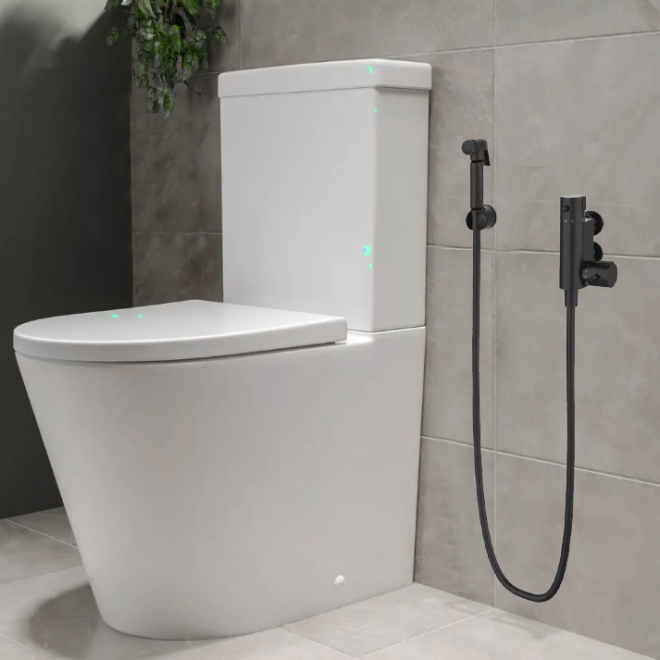
A toilet douche spray, also known as a shattaf, bidet spray, bum gun, or handheld bidet, is becoming increasingly popular in UK bathrooms. Many people prefer a douche spray because it offers improved hygiene, uses less toilet paper, and takes up far less space than a traditional bidet.
However, before installing a douche spray in the UK, it is important to understand that these products are subject to strict water regulations. Unlike many online installation videos, you cannot legally connect a douche spray directly to your mains water supply in most situations.
This guide explains the UK regulations, why douche sprays are classified as a high-risk fitting, and how a compliant installation should be carried out.
Why Are Douche Sprays Regulated in the UK?
A handheld douche spray is used close to a WC pan, which is considered a significant contamination risk.
Under the Water Supply (Water Fittings) Regulations, any appliance that could potentially allow contaminated water to flow back into the drinking water system must be protected against backflow.
Because the spray head can come into contact with toilet water or waste matter, it is classified as a:
Fluid Category 5 Risk
Fluid Category 5 is the highest contamination category recognised under UK water regulations.
It covers water that could contain:
- Human waste
- Faecal matter
- Harmful bacteria
- Viruses
- Other biological contaminants
For this reason, a standard check valve or non-return valve is not considered sufficient protection.
Can You Connect a Douche Spray Directly to a Toilet Supply?
No.
A common installation method seen online involves fitting a T-piece to the toilet fill valve and connecting a douche spray directly to the cold water supply.
While this may be common in other countries, it does not comply with UK water regulations.
The following methods are generally not acceptable on their own:
- Direct connection to mains water
- Double check valves
- Single check valves
- Backflow prevention valves only
- Standard flexible hose connections
These methods do not provide adequate protection against Fluid Category 5 contamination.
What Is Required for a Legal Installation?
To comply with UK regulations, a douche spray should be supplied via a system that incorporates:
Type AB Air Gap Protection
The accepted method for protecting against Fluid Category 5 backflow is a Type AB air gap.
A Type AB air gap creates a physical separation between the mains water supply and any potentially contaminated water.
This means contaminated water cannot be siphoned or forced back into the drinking water system.
Break Tank
A break tank is normally used to create this air gap.
The system works as follows:
- Mains water fills a small storage tank.
- The tank incorporates a Type AB air gap.
- A separate pump draws water from the tank.
- The pump supplies the douche spray.
Because the potable water supply is physically separated from the outlet, contamination cannot travel back into the mains water system.
Typical Compliant Installation Layout
A compliant installation generally consists of:
- Mains cold water supply
- Isolation valve
- Type AB break tank
- Booster pump
- Flexible supply hose
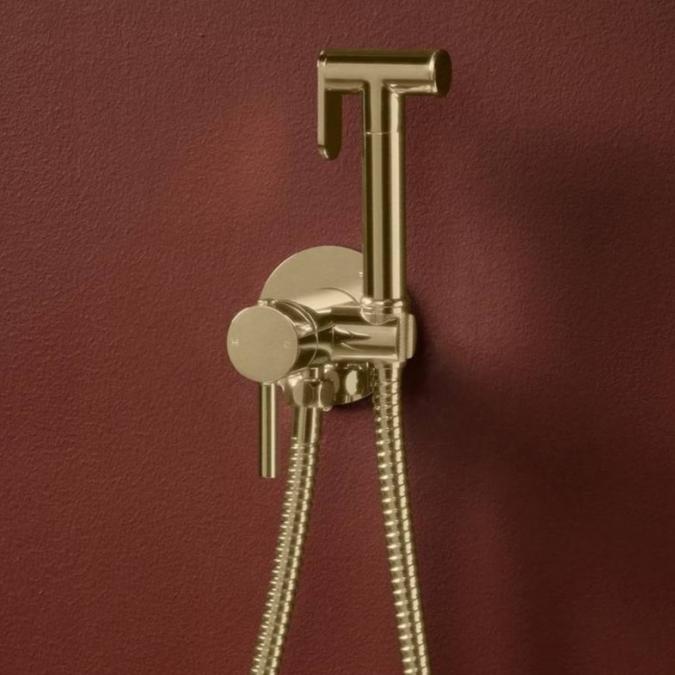
- Douche spray handset
The arrangement typically looks like this:
Mains Water → Isolation Valve → Type AB Break Tank → Pump → Douche Spray
This setup provides the level of backflow protection required for Fluid Category 5 applications.
Isolation Valve Requirements
An accessible isolation valve should be installed on the supply.
This allows the water supply to be shut off when the douche spray is not in use.
Many manufacturers recommend turning the valve off after every use because:
- It relieves pressure on the flexible hose.
- It reduces the risk of leaks.
- It extends the life of the spray handset and hose.
- It improves overall safety.
Do You Need to Notify Your Water Supplier?
In many cases, yes.
Under Regulation 5 of the Water Supply (Water Fittings) Regulations, certain plumbing installations require notification to your local water undertaker before work begins.
Because a douche spray connected near a toilet is considered a Fluid Category 5 risk, it may fall within the category of notifiable works.
Requirements can vary depending on the installation and local water authority, so it is advisable to check with your water supplier before proceeding.
Can a Plumber Install a Douche Spray?
Yes, but it is important to use a plumber who understands UK backflow prevention requirements.
Many installers may be familiar with fitting bidet sprays mechanically, but not all are specialists in Water Regulations compliance.
Before installation, ask whether the proposed system complies with:
- Water Supply (Water Fittings) Regulations
- Fluid Category 5 requirements
- Type AB air gap protection standards
Final Thoughts
A douche spray can be an excellent addition to a modern bathroom, offering improved hygiene while taking up less space than a traditional bidet. However, UK water regulations treat these products very differently from many other countries.
Because a douche spray is considered a Fluid Category 5 risk, it should not be connected directly to the mains water supply. A compliant installation normally requires a Type AB air gap break tank, appropriate backflow protection, hose restraint, and an isolation valve.
If you are considering installing a douche spray, always check the latest Water Supply Regulations and consult a qualified plumber familiar with Fluid Category 5 installations before starting any work.
Resources:
https://www.waterregsuk.co.uk/topics/all-faqs/bidets/
https://www.waterregsuk.co.uk/topics/all-faqs/bidets-adjacent-to-toilets
https://www.watersafe.org.uk/about/installer_area/member_resources/wfr_faq
https://www.legislation.gov.uk/uksi/1999/1148/contents/made
https://www.arrowvalves.co.uk/blog/fitting-a-douche-hose-heres-why-it-might-be-illegal
https://www.south-staffs-water.co.uk/developer/regulations/water-supply-and-fittings-regulations
Frequently Asked Questions
Are handheld bidet sprays legal in the UK?
Yes, but they must be installed in accordance with UK water regulations. A direct connection to the mains water supply is generally not compliant due to the Fluid Category 5 contamination risk.
What is a Fluid Category 5 risk?
Fluid Category 5 is the highest level of contamination risk and includes water contaminated by faecal matter, pathogens, or other harmful substances.
Can I use a check valve instead of a break tank?
No. Check valves alone do not provide the level of protection required for Fluid Category 5 applications.
What is a Type AB air gap?
A Type AB air gap is a physical separation between the mains water supply and stored water. It prevents contaminated water from flowing back into the drinking water system.
Do I need planning permission?
No. Installing a douche spray does not normally require planning permission. However, the installation must comply with Water Supply Regulations and may require notification to your local water supplier.
This guide was created for reference only. www.rubberduckbathrooms.co.uk can not be held responsible for injury or damage caused if you decide to use this method.


