
- Shower Panels
-
Showering
- Shower Doors & Enclosures
- Walk In Showers
- Shower Trays
- Shower Valves
- Bath Shower Screens
- Shower Accessories & Spares
- Shower Pumps
- View all products...
-
Bathroom Suites
- Complete Bathroom Suites
- Baths
- Toilets & Bidets
- Basins
- View all products...
-
Furniture
- Bathroom Furniture
- Mirrored Bathroom Cabinets
- Toilets & Cisterns For Furniture
- Worktops & Vanity Counter Tops
- View all products...
- Taps
- Radiators
- Wet Rooms
-
Ceilings, Floors, Tiles
- PVC Ceiling Panels
- Bathroom Flooring
- Tiles, Tile Trims & Adhesives
- Underfloor / Undertile Heating
- View all products...
- Accessories
- Extras
- Plumbing
- Shower Panels
-
Showering
- Shower Doors & Enclosures
- Walk In Showers
- Shower Trays
- Shower Valves
- Bath Shower Screens
- Shower Accessories & Spares
- Shower Pumps
- View all products...
-
Bathroom Suites
- Complete Bathroom Suites
- Baths
- Toilets & Bidets
- Basins
- View all products...
-
Furniture
- Bathroom Furniture
- Mirrored Bathroom Cabinets
- Toilets & Cisterns For Furniture
- Worktops & Vanity Counter Tops
- View all products...
- Taps
- Radiators
- Wet Rooms
-
Ceilings, Floors, Tiles
- PVC Ceiling Panels
- Bathroom Flooring
- Tiles, Tile Trims & Adhesives
- Underfloor / Undertile Heating
- View all products...
- Accessories
- Extras
- Plumbing
How to Bleed Radiators and Towel Radiators (Step-by-Step Guide for UK Homes)
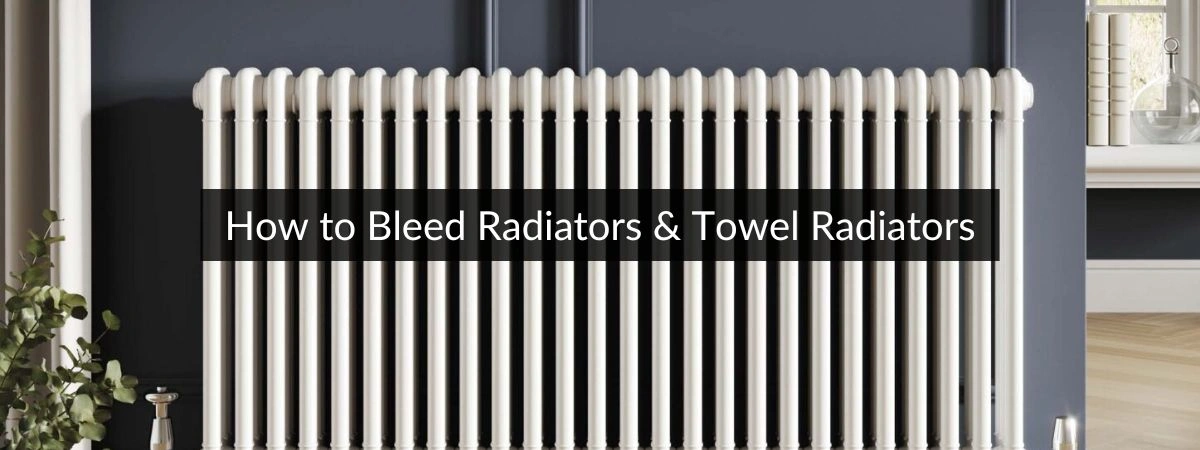
If your radiators feel cold at the top but warm at the bottom, or you can hear gurgling noises when the heating is on, it’s time to bleed your radiators. Trapped air stops hot water from circulating properly, which means your home takes longer to heat up and your boiler works harder than it should.
In this simple guide, I’ll show you exactly how to bleed radiators and towel radiators, what tools you need, and what to do if you notice ongoing pressure issues.
Why You Need to Bleed Radiators
Over time, air can build up inside your central heating system. This trapped air sits at the top of the radiator and prevents hot water from filling the whole panel.
Signs your radiators need bleeding:
- Radiator cold at the top, warm at the bottom
- Gurgling or bubbling noises
- Heating takes longer to warm up
- Some radiators not heating fully
- Higher energy bills than usual
Bleeding your radiators removes that trapped air and restores full heat output.
Tools You Need to Bleed a Radiator
Before you start, make sure you have:
- A radiator bleed key (or flathead screwdriver for some models)
- An old cloth or towel
- A small container or bowl
- Gloves (optional but recommended)
Radiator bleed keys are inexpensive and available from most DIY shops.
Important Safety Step – Make Sure Radiators Are Cool
This is crucial.
Always turn your heating off and allow radiators to cool down before bleeding them. Never attempt to bleed a radiator while it is hot.
Hot water can spray out under pressure and cause burns. Wait at least 30–60 minutes after turning the heating off to make sure everything is cool to the touch.
How to Bleed a Radiator (Standard Radiators)
Follow these steps carefully:
1. Turn Off the Heating
Switch off your central heating system and wait until radiators are completely cool.
2. Locate the Bleed Valve
The bleed valve is usually found at the top corner of the radiator. It looks like a small square or slot inside a round fitting.
3. Insert the Radiator Key
Place your cloth under the valve and hold your bowl underneath. Insert the radiator key into the bleed valve.
4. Turn Slowly Anti-Clockwise
Turn the key slowly (about a quarter turn). You should hear a hissing sound. This is the trapped air escaping.
Do not remove the valve completely. Just open it slightly.
5. Wait for Water
Once the hissing stops and water starts to come out in a steady stream, the air has been released.
6. Close the Valve
Turn the key clockwise to close the valve. Do not overtighten.
7. Wipe and Check
Clean up any water and move on to the next radiator.
How to Bleed a Towel Radiator
Bleeding a towel radiator works exactly the same way as a standard radiator.
The bleed valve is normally at the top of one side of the rail. Follow the same steps:
- Heating off
- Radiator cool
- Open valve slightly
- Release air
- Close once water flows
If your towel radiator is connected to both central heating and electric (dual fuel), make sure the electric element is switched off before bleeding.
After Bleeding – Check Boiler Pressure (Very Important)
After bleeding your radiators, you may notice the pressure on your boiler has dropped.
If you have a combi boiler, check the pressure gauge on the front. Most systems should sit between 1 and 1.5 bar when cold.
If the pressure is too low:
- Locate the filling loop (usually a silver flexible hose under the boiler).
- Slowly open the valves to let water into the system.
- Watch the pressure gauge.
- Close the valves once it reaches the correct pressure.
- Do not overfill the system.
If you are unsure, check your boiler manual or contact a Gas Safe registered engineer.
What If You Have to Bleed Radiators Regularly?
If you find yourself bleeding radiators often, this is not normal.
Frequent air build-up can be a sign of:
- A leak somewhere in the heating system
- Low system pressure
- Faulty expansion vessel
- Corrosion inside the system
If your boiler pressure keeps dropping or you constantly need to top it up, seek a qualified plumber’s advice. Ignoring this can lead to bigger and more expensive problems.
How Often Should You Bleed Radiators?
For most UK homes, bleeding radiators once a year is enough. The best time is:
- At the start of autumn before winter
- If you notice cold spots
- After any heating system work
Regular checks keep your heating efficient and reduce energy waste.
Final Tips for Best Results
Always start with the radiator furthest from the boiler.
Work through the house one radiator at a time.
Check boiler pressure after finishing all radiators.
Never bleed a hot radiator.
Bleeding radiators and bathroom radiators is one of the easiest home maintenance jobs you can do yourself. It improves heating performance, reduces energy costs, and helps your boiler last longer.
If you are unsure at any stage, or notice pressure drops and leaks, always contact a qualified heating engineer. It’s better to fix a small issue early than deal with a major repair later.
By following this guide on how to bleed radiators and towel radiators, you can keep your central heating system working efficiently all year round.
If your radiator still isn’t heating properly after bleeding, it may be time for a replacement. Browse our full range of modern, energy-efficient radiators.
FAQs
1. How long does it take to bleed a radiator?
Bleeding a radiator normally takes around 2 to 5 minutes per radiator. The whole job for an average three-bedroom house usually takes less than 30 minutes. Always allow time for the radiators to cool down before you start, as you should never bleed a hot radiator.
2. Should I bleed radiators with the heating on or off?
You should always bleed radiators with the heating turned off. Make sure the radiators are completely cool before opening the bleed valve. If the system is hot, pressurised water can spray out and cause burns. Turning the heating off also allows trapped air to rise to the top, making the bleeding process more effective.
3. Why is my radiator cold at the top but warm at the bottom?
If your radiator is cold at the top and warm at the bottom, this usually means air is trapped inside the radiator. Bleeding the radiator will release that trapped air and allow hot water to circulate properly again.
If your radiator is cold at the bottom instead, this could be a sign of sludge build-up in the system, which may require a power flush or professional cleaning.
4. Do towel radiators need bleeding as well?
Yes, towel radiators need bleeding just like standard radiators. Air can become trapped inside them in exactly the same way. The bleed valve is usually located at the top of one of the vertical rails.
If you have a dual fuel towel radiator, make sure both the heating and electric element are switched off before bleeding it.
5. What happens if I don’t bleed my radiators?
If you don’t bleed radiators when needed, your central heating system becomes less efficient. This can lead to Cold spots on radiators, Higher energy bills and Longer heating times!
Over time, this may shorten the lifespan of your heating system.
6. Why does my boiler pressure drop after bleeding radiators?
It’s normal for boiler pressure to drop slightly after bleeding radiators because air has been released from the system. If you have a combi boiler, check the pressure gauge on your boiler after bleeding your radiators - Most systems should sit between 1 and 1.5 bar when cold.
7. How often should I bleed my radiators?
Most homes only need to bleed radiators once a year, usually before winter. However, if you notice cold spots, gurgling sounds, or uneven heating, you can bleed them whenever needed.
8. Can bleeding radiators improve energy efficiency?
Yes, bleeding radiators can improve energy efficiency. When radiators heat evenly from top to bottom, your boiler doesn’t need to work as hard to warm your home. This can help reduce energy use and lower heating bills, especially during colder months.
This guide was created for reference only. www.rubberduckbathrooms.co.uk can not be held responsible for injury or damage caused if you decide to use this method.


