
- Shower Panels
-
Showering
- Shower Doors & Enclosures
- Walk In Showers
- Shower Trays
- Shower Valves
- Bath Shower Screens
- Shower Accessories & Spares
- Shower Pumps
- View all products...
-
Bathroom Suites
- Complete Bathroom Suites
- Baths
- Toilets & Bidets
- Basins
- View all products...
-
Furniture
- Bathroom Furniture
- Mirrored Bathroom Cabinets
- Toilets & Cisterns For Furniture
- Worktops & Vanity Counter Tops
- View all products...
- Taps
- Radiators
- Wet Rooms
-
Ceilings, Floors, Tiles
- PVC Ceiling Panels
- Bathroom Flooring
- Tiles, Tile Trims & Adhesives
- Underfloor / Undertile Heating
- View all products...
- Accessories
- Extras
- Plumbing
- Shower Panels
-
Showering
- Shower Doors & Enclosures
- Walk In Showers
- Shower Trays
- Shower Valves
- Bath Shower Screens
- Shower Accessories & Spares
- Shower Pumps
- View all products...
-
Bathroom Suites
- Complete Bathroom Suites
- Baths
- Toilets & Bidets
- Basins
- View all products...
-
Furniture
- Bathroom Furniture
- Mirrored Bathroom Cabinets
- Toilets & Cisterns For Furniture
- Worktops & Vanity Counter Tops
- View all products...
- Taps
- Radiators
- Wet Rooms
-
Ceilings, Floors, Tiles
- PVC Ceiling Panels
- Bathroom Flooring
- Tiles, Tile Trims & Adhesives
- Underfloor / Undertile Heating
- View all products...
- Accessories
- Extras
- Plumbing
How to Balance Radiators in My Home (Step-by-Step Guide for Even Heating)
If some rooms in your home heat up quickly while others stay cold, your radiators may need balancing.
Balancing radiators helps ensure that hot water flows evenly through your central heating system. When radiators are balanced correctly, every room heats at the same speed and your boiler works more efficiently.
In this guide, I’ll explain exactly how to balance radiators in your home, what tools you need, how long it takes, and what it might cost if you hire a professional.
What Does Balancing Radiators Mean?
Balancing radiators means adjusting the lockshield valves on each radiator so that hot water flows evenly around your heating system.
Radiators closest to the boiler naturally heat up first. Without balancing, they take most of the hot water, leaving radiators further away cooler.
Balancing solves this problem by slightly restricting the flow to the radiators that heat up fastest. This forces more hot water to reach the radiators further along the system.
The result?
- Even heat throughout your home
- Improved energy efficiency
- Less strain on your boiler
- More comfortable room temperatures
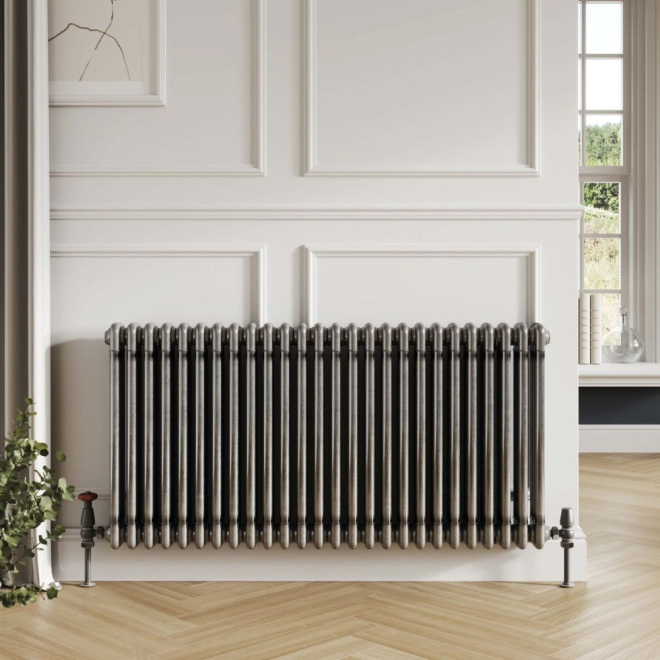
Signs Your Radiators Need Balancing
You may need to balance your radiators if:
- Some rooms heat up much faster than others
- Radiators downstairs are hot but upstairs are cooler
- One radiator is very hot while another stays lukewarm
- Your heating system feels uneven
Before balancing, always bleed your radiators first. Trapped air can cause similar problems.
Tools You Need to Balance Radiators
You’ll need:
- Adjustable spanner
- Lockshield valve key or small spanner
- Screwdriver (if needed for valve caps)
- Radiator bleed key
- Digital thermometer (recommended for accuracy)
- Notepad to track adjustments
A digital thermometer makes the job much easier because balancing is based on temperature differences.
Important Safety Step
Make sure all radiators are fully bled before balancing. See our guide on how to bleed radiators.
Start with the heating system completely cold. You’ll then turn it on during the balancing process.
Never remove valves or loosen fittings while the system is hot and pressurised.
How to Balance Radiators (Step-by-Step)
Step 1: Turn Off Heating and Let System Cool
Switch off your heating and allow everything to cool fully.
Step 2: Open All Radiator Valves
Turn both the thermostatic radiator valve (TRV) and the lockshield valve fully open on every radiator.
The lockshield valve usually has a plastic cap covering it.
Step 3: Turn Heating Back On
Switch your heating back on and set it to a high temperature.
Allow all radiators to heat up fully.
Step 4: Identify Which Radiator Heats First
The radiator closest to the boiler will usually heat up first. This is where balancing begins.
Step 5: Adjust the Lockshield Valve
Using your spanner, slowly close the lockshield valve on the fastest-heating radiator.
You don’t close it fully — just reduce the flow slightly.
The goal is to achieve around a 12°C temperature difference between the flow pipe (inlet) and return pipe (outlet).
Use a digital thermometer to measure this difference accurately.
Step 6: Repeat for Each Radiator
Move to the next radiator in the system.
Radiators further from the boiler will usually need their lockshield valves opened more than those closer.
Work through the house one radiator at a time.
Step 7: Test the System
Once complete, allow the system to run normally.
All radiators should now heat up at roughly the same speed.
If not, make small adjustments as needed.
How Long Does It Take to Balance Radiators?
Balancing radiators in an average UK home usually takes 1 to 2 hours.
The exact time depends on:
Number of radiators
Size of property
Whether adjustments are straightforward
Whether you are using a thermometer
Once done properly, you shouldn’t need to balance them again unless you change radiators or drain the system.
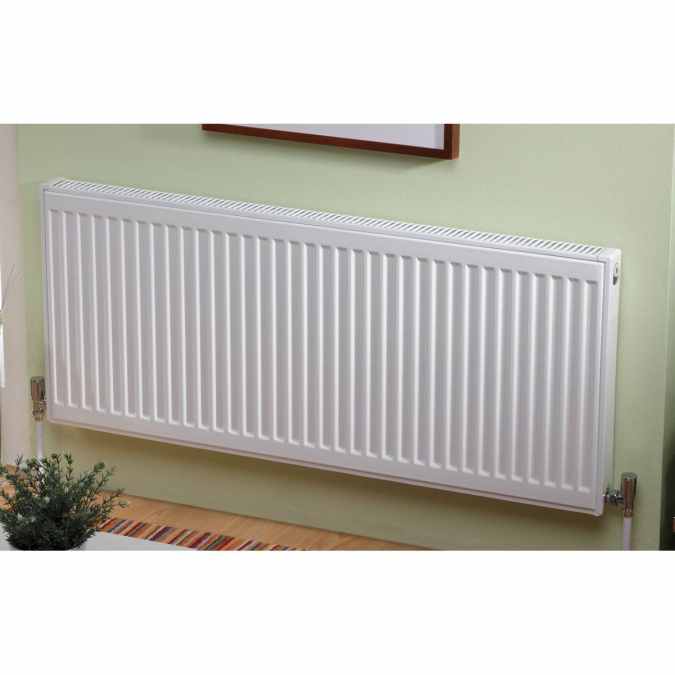
How Much Does It Cost to Balance Radiators?
If you hire a heating engineer, balancing radiators typically costs between £80 and £150 in the UK.
The final cost depends on:
- Location
- Number of radiators
- Whether other heating work is required
Some engineers may include balancing as part of a boiler service or system upgrade.
Balancing is often cheaper than replacing radiators and can significantly improve performance.
Do I Need a Plumber to Balance Radiators?
Balancing radiators is a DIY-friendly job if you feel confident adjusting valves.
However, you should call a professional if:
- Your boiler pressure keeps dropping
- Radiators stay cold after balancing
- You suspect sludge build-up
- You are unsure about adjusting valves
In some cases, uneven heating may indicate deeper system issues such as blockages or pump problems.
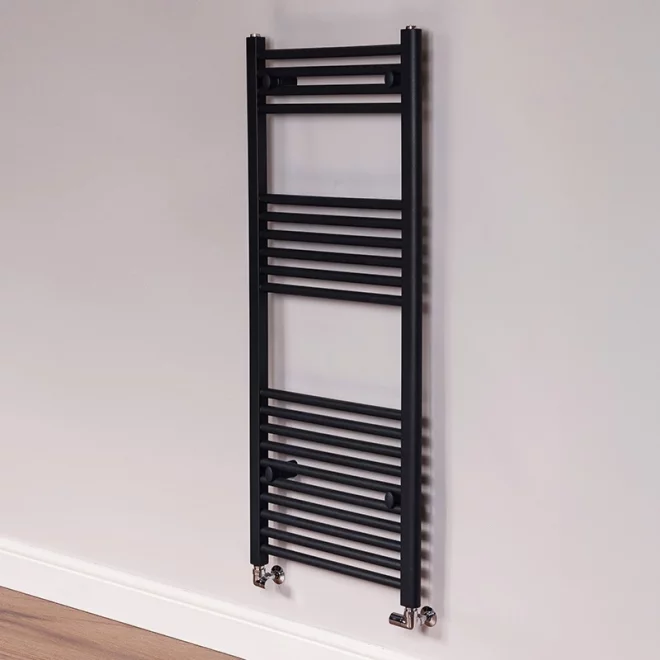
Can Balancing Radiators Improve Energy Efficiency?
Yes.
When radiators heat evenly, your boiler doesn’t have to run longer to warm colder rooms.
This can:
- Reduce energy waste
- Lower heating bills
- Improve overall comfort
- Extend boiler lifespan
Balancing is one of the simplest ways to optimise your central heating system.
When Should You Balance Radiators?
You should consider balancing your radiators if:
- You’ve installed new radiators
- You’ve drained and refilled the system
- You’ve replaced a boiler
- Heating feels uneven
For most homes, balancing isn’t needed every year — only when changes occur or heating becomes inconsistent.
Frequently Asked Questions About Balancing Radiators
1. Is balancing radiators the same as bleeding them?
No. Bleeding radiators removes trapped air. Balancing radiators adjusts water flow so heat spreads evenly through your home. Both are important but serve different purposes.
2. How often should radiators be balanced?
Radiators usually only need balancing after major heating work, such as installing new radiators or replacing a boiler. It is not normally an annual task.
3. What happens if radiators are not balanced?
If radiators are not balanced, some rooms may overheat while others stay cold. This makes your heating system less efficient and increases energy costs.
4. Can balancing radiators fix cold rooms?
Yes, if the issue is uneven water flow. However, if a radiator is cold at the bottom, sludge build-up may be the cause instead.
5. Do thermostatic radiator valves affect balancing?
Yes. Thermostatic radiator valves control room temperature, while the lockshield valve controls water flow balance. Balancing is done using the lockshield valve, not the thermostat.
6. Should I replace old radiators instead of balancing them?
If your radiators are very old, inefficient, or not heating properly even after bleeding and balancing, replacement may be the better long-term solution. Modern radiators are more energy-efficient and heat rooms faster.
This guide was created for reference only. www.rubberduckbathrooms.co.uk can not be held responsible for injury or damage caused if you decide to use this method.


