
- Shower Panels
-
Showering
- Shower Doors & Enclosures
- Walk In Showers
- Shower Trays
- Shower Valves
- Bath Shower Screens
- Shower Accessories & Spares
- Shower Pumps
- View all products...
-
Bathroom Suites
- Complete Bathroom Suites
- Baths
- Toilets & Bidets
- Basins
- View all products...
-
Furniture
- Bathroom Furniture
- Mirrored Bathroom Cabinets
- Toilets & Cisterns For Furniture
- Worktops & Vanity Counter Tops
- View all products...
- Taps
- Radiators
- Wet Rooms
-
Ceilings, Floors, Tiles
- PVC Ceiling Panels
- Bathroom Flooring
- Tiles, Tile Trims & Adhesives
- Underfloor / Undertile Heating
- View all products...
- Accessories
- Extras
- Plumbing
- Shower Panels
-
Showering
- Shower Doors & Enclosures
- Walk In Showers
- Shower Trays
- Shower Valves
- Bath Shower Screens
- Shower Accessories & Spares
- Shower Pumps
- View all products...
-
Bathroom Suites
- Complete Bathroom Suites
- Baths
- Toilets & Bidets
- Basins
- View all products...
-
Furniture
- Bathroom Furniture
- Mirrored Bathroom Cabinets
- Toilets & Cisterns For Furniture
- Worktops & Vanity Counter Tops
- View all products...
- Taps
- Radiators
- Wet Rooms
-
Ceilings, Floors, Tiles
- PVC Ceiling Panels
- Bathroom Flooring
- Tiles, Tile Trims & Adhesives
- Underfloor / Undertile Heating
- View all products...
- Accessories
- Extras
- Plumbing
The Ultimate Guide to Wood Effect Tiles in 2026
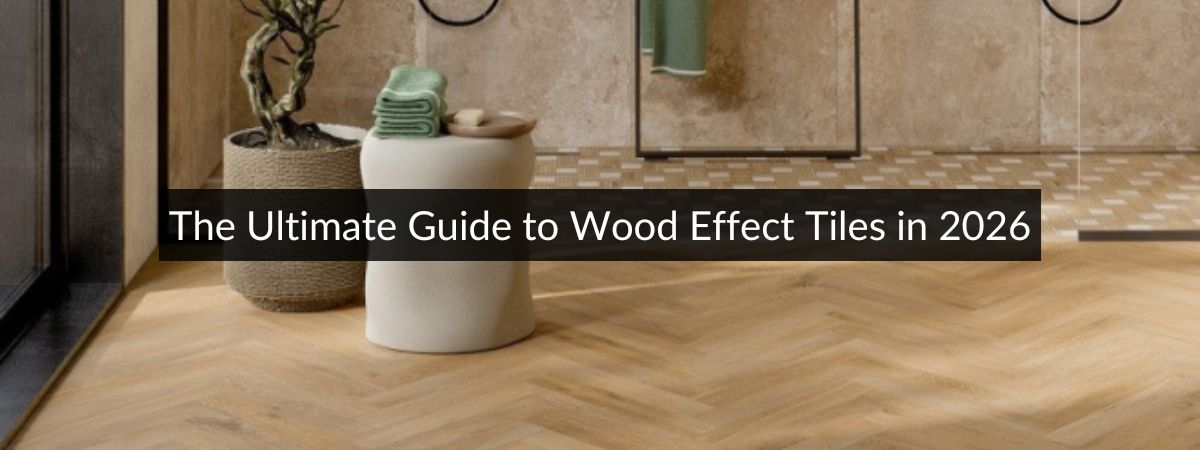
Wood effect tiles have rapidly become one of the most in-demand flooring and wall solutions in modern homes. Combining the natural warmth of timber with the performance of porcelain or ceramic, they offer a practical yet stylish alternative to traditional wooden flooring. In 2026, their popularity continues to grow — driven by advances in manufacturing, demand for low-maintenance materials, and a strong shift toward natural interior design.
This in-depth guide covers everything you need to know, including what wood effect tiles are, how they compare to real wood, where to use them, and the biggest trends shaping 2026.
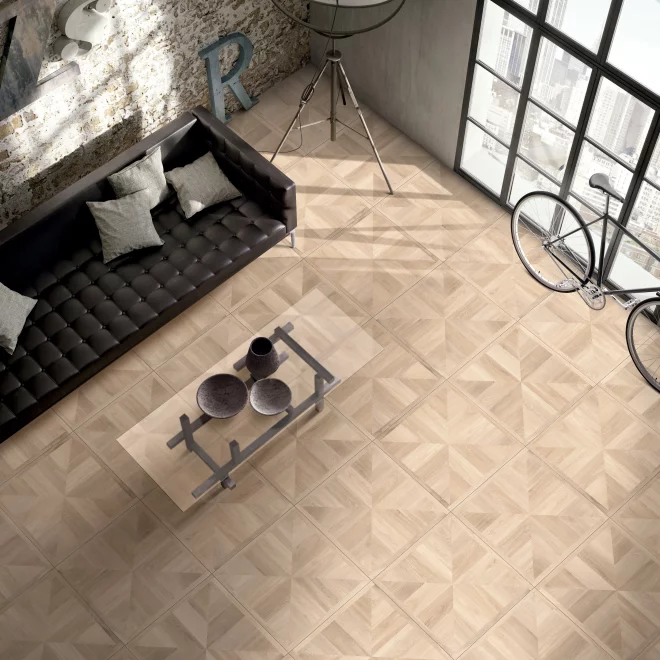
What Are Wood Effect Tiles?
Wood effect tiles are porcelain or ceramic tiles designed to replicate the appearance of real wood. Using advanced digital printing and surface texturing techniques, manufacturers reproduce grain patterns, knots, colour variation, and even tactile texture to create a realistic timber look. Unlike natural wood flooring, these tiles are made from fired clay, creating a dense and durable surface. Porcelain versions are particularly hard-wearing due to high-temperature firing, resulting in extremely low water absorption and excellent strength.
Modern designs are so realistic that many people cannot distinguish them from real wood, especially when installed in plank formats similar to traditional timber boards.
Key Characteristics
- Available in plank, herringbone, chevron, and parquet layouts
- Realistic wood grain and knot detailing
- Matte, satin, or textured finishes
- Suitable for walls and floors
- Available in porcelain (most durable) or ceramic
- Why Wood Effect Tiles Are So Popular in 2026
The popularity of wood effect tiles stems from their ability to combine aesthetics with practicality. Homeowners increasingly want warm, natural interiors — but without the maintenance demands of real wood. Porcelain wood-look tiles offer:
- Water resistance
- Durability
- Low maintenance
- Long lifespan
- Design flexibility
These benefits make them suitable for bathrooms, kitchens, hallways, and open-plan living areas where real wood may not perform well.
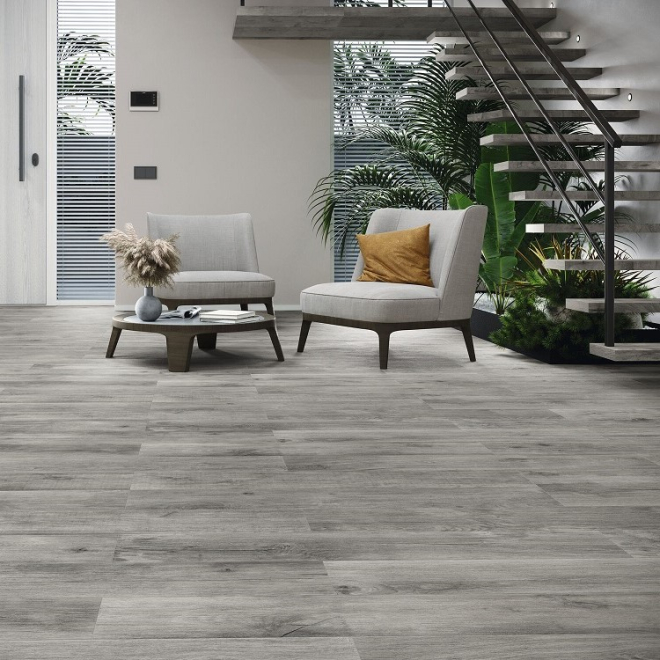
Benefits of Wood Effect Tiles vs Real Wood
Choosing between wood effect tiles and real timber flooring is one of the most common decisions homeowners face. Below is a detailed comparison to help you understand why wood effect tiles are increasingly preferred.
1. Water Resistance
One of the biggest advantages of wood effect tiles is their resistance to moisture. Porcelain tiles absorb very little water, meaning they will not warp, swell, or rot — problems commonly associated with natural timber.
This makes them ideal for bathrooms, wet rooms, kitchens, and utility spaces.
Real Wood Limitation: Wood flooring expands and contracts with humidity and may become damaged in wet environments.
2. Durability & Longevity
Porcelain wood effect tiles are harder and more resistant to scratches, dents, and heavy foot traffic compared to many real wood floors.
They are ideal for busy households, commercial spaces, and areas with pets or children.
Real Wood Limitation:
Wood is softer and can scratch, dent, or fade over time.
3. Low Maintenance
Unlike real wood, wood effect tiles do not require:
- Sanding
- Sealing
- Oil treatments
- Special cleaning products
Regular sweeping and mopping are usually enough to keep them looking new.
Real Wood Limitation:
Timber flooring often requires periodic refinishing and careful cleaning.
4. Versatility in Design
Wood effect tiles are available in:
- Oak tones
- Walnut finishes
- Greywashed wood
- Rustic reclaimed looks
- Contemporary matte finishes
- Heating
Tiles conduct heat efficiently, making them ideal for underfloor heating systems. Wood is less conductive and may expand with temperature changes.
6. Cost Efficiency Over Time
While initial installation may be similar to wood, wood effect tiles often last longer and require less maintenance, reducing long-term costs.
7. Consistency in Appearance
Tiles offer consistent colour and pattern options, which can be helpful for large spaces. Real wood varies naturally, which some homeowners love — but others prefer uniformity.
Potential Drawbacks to Consider
To provide a balanced guide, it’s worth noting some considerations:
- Tiles are harder underfoot than wood
- Installation may require professional tiling
- Authenticity of real timber may still appeal to some
These factors can be addressed with underfloor heating, rugs, or thoughtful installation planning.
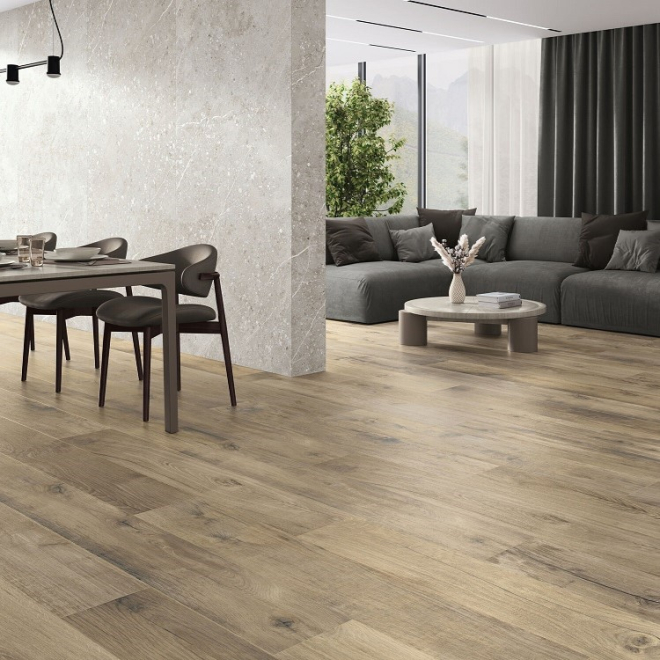
Where to Use Wood Effect Tiles
One of the biggest advantages of wood effect tiles is versatility. They can be installed in areas where real wood would struggle.
Bathrooms
Wood effect tiles are extremely popular in bathrooms due to their water resistance. They create a spa-like feel while standing up to moisture and cleaning products.
Popular uses:
- Bathroom floors
- Wet rooms
- Walk-in showers
- Feature walls
- Kitchens
Kitchens
Kitchens experience spills, heat, and heavy foot traffic — all ideal conditions for wood effect tiles. They provide warmth without worrying about water damage.
Hallways & Entrances
High-traffic areas benefit from the durability of porcelain tiles. They resist scratches from shoes and pets.
Living Rooms
Wood effect tiles offer a seamless natural look, especially in open-plan layouts. Pair with underfloor heating for comfort.
Bedrooms
While real wood is traditionally preferred, wood effect tiles are increasingly used for:
- Allergy-friendly flooring
- Underfloor heating comfort
- Consistent flooring throughout homes
- Outdoor Spaces
Some wood effect porcelain tiles are suitable for outdoor use, allowing seamless indoor-outdoor transitions.
Commercial Spaces
Retail stores, restaurants, and offices benefit from:
- Durability
- Easy cleaning
- Professional appearance
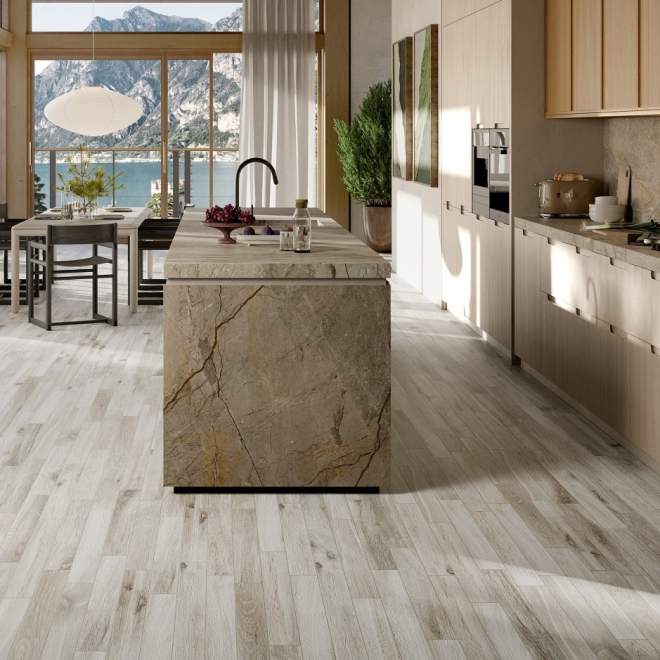
2026 Wood Effect Tile Trends
Interior design trends in 2026 are heavily focused on warmth, texture, and natural aesthetics — all perfectly suited to wood effect tiles.
1. Warm Natural Tones
Cool grey flooring is fading, replaced by warmer wood shades such as:
- Honey oak
- Mid-tone walnut
- Soft caramel
- Natural oak
Experts note that warm neutrals and natural tones are dominating flooring trends, creating grounded and nature-inspired interiors.
These tones help create cosy, welcoming spaces — ideal for modern homes.
2. Natural Textures & Tactile Finishes
Texture is becoming just as important as colour. Brushed, matte, and textured finishes are increasingly popular because they mimic real timber and add depth.
Trending textures:
- Brushed grain
- Distressed wood
- Matte finishes
- Hand-scraped effects
These finishes enhance realism and reduce visible wear.
3. Wide Plank Formats
Wide plank wood effect tiles are trending in 2026 because they:
- Make rooms feel larger
- Reduce grout lines
- Create a contemporary look
- Wide planks are specifically highlighted as a major flooring trend for modern interiors.
4. Herringbone & Pattern Layouts
Classic patterns such as:
- Herringbone
- Chevron
- Parquet
are increasingly used to create feature floors. Patterned wood layouts add visual interest and bespoke design appeal.
5. Seamless Indoor-Outdoor Design
Homeowners are increasingly using the same wood effect tiles indoors and outdoors to create continuity.
This works particularly well with:
- Garden rooms
- Bi-fold doors
- Patio transitions
6. Spa-Inspired Bathroom Flooring
Bathrooms in 2026 are moving toward relaxing spa-like environments with warm timber tones and natural materials.
Wood effect tiles fit perfectly into this trend.
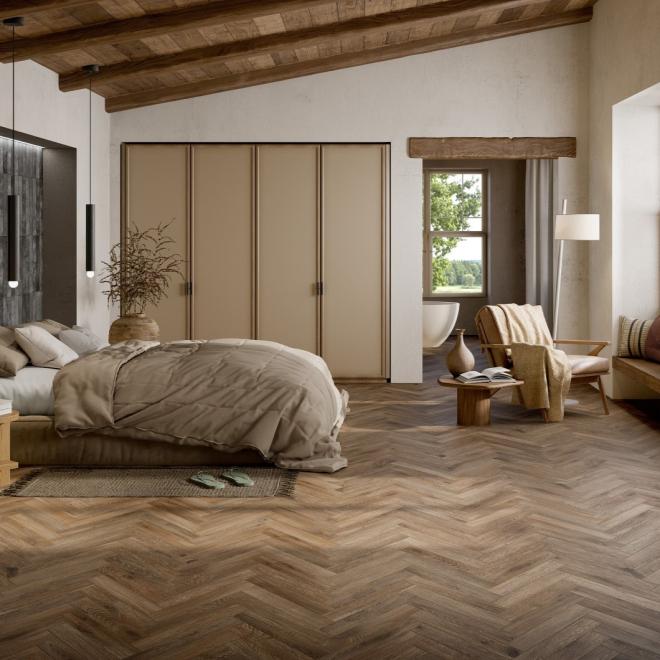
Choosing the Right Wood Effect Tiles
When selecting wood effect tiles, consider:
Colour
- Light tones for small spaces
- Mid-tones for versatility
- Dark tones for contrast
Size
- Long planks for realism
- Large formats for open-plan spaces
- Herringbone for feature areas
Finish
- Matte for natural appearance
- Textured for grip and realism
- Satin for easy cleaning
Material
- Porcelain for durability and wet areas
- Ceramic for walls or low-traffic areas
Installation Tips
To achieve the best results:
- Stagger planks for realistic wood appearance
- Use narrow grout lines
- Choose grout colour close to tile shade
- Consider underfloor heating
- Plan layout before installation
Maintenance & Care
Wood effect tiles are easy to maintain:
- Sweep regularly
- Mop with mild detergent
- Avoid harsh chemicals
- Use mats in entrances
Unlike wood, they do not require sealing or refinishing.
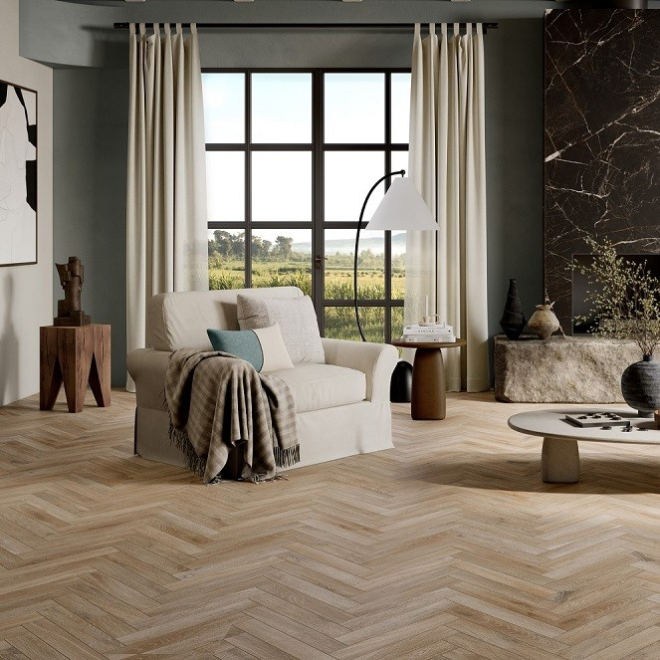
Are Wood Effect Tiles Right for You?
Wood effect tiles are ideal if you want:
- The look of wood
- Low maintenance
- Waterproof flooring
- Durability
- Underfloor heating compatibility
Real wood may still appeal if:
- Authentic timber is essential
- You prefer softer flooring
- Budget allows for maintenance
Final Thoughts
Wood effect tiles are one of the most versatile flooring options available in 2026. They combine the timeless beauty of wood with the practicality of porcelain, making them suitable for almost any room in the home.
With trends moving toward warm tones, natural textures, and spa-inspired interiors, wood effect tiles are perfectly positioned to remain a top choice for modern bathrooms and living spaces. Whether you're renovating a bathroom, designing an open-plan layout, or updating your flooring, they offer a stylish, durable, and future-proof solution.
For homeowners seeking warmth without compromise, wood effect tiles truly deliver the best of both worlds.
Frequently Asked Questions
What are wood effect tiles?
Wood effect tiles are porcelain or ceramic tiles designed to replicate the appearance of real wood. They use advanced printing and texturing techniques to mimic natural grain, knots, and colour variation while offering the durability of tile.
Are wood effect tiles better than real wood?
It depends on your needs. Wood effect tiles are more durable, water-resistant, and low maintenance than real wood, making them ideal for bathrooms and kitchens. However, real wood offers a warmer, more natural feel underfoot that some homeowners prefer.
Can wood effect tiles be used in bathrooms?
Yes, they are one of the best flooring choices for bathrooms. Their water resistance makes them perfect for wet areas, including floors, shower rooms, and even feature walls.
Do wood effect tiles look realistic?
Yes, modern manufacturing techniques mean wood effect tiles can look extremely realistic. Many designs closely replicate natural timber, especially in plank formats and textured finishes.
Are wood effect tiles slippery?
Most wood effect tiles are designed with matte or textured finishes to improve grip. However, slip resistance can vary by product, so it’s important to choose tiles rated for wet or high-traffic areas where needed.
Can wood effect tiles be used with underfloor heating?
Yes, they work very well with underfloor heating. Tiles conduct heat efficiently, making them a popular choice for warm, comfortable flooring systems.
How long do wood effect tiles last?
With proper installation and basic maintenance, wood effect tiles can last for decades. They are highly resistant to wear, moisture, and scratches compared to natural wood.
Are wood effect tiles hard to maintain?
No, they are very easy to maintain. Regular sweeping and mopping with mild cleaners is usually enough. Unlike real wood, they do not require sealing, sanding, or oiling.
Where can wood effect tiles be used in the home?
They can be used in almost any room, including bathrooms, kitchens, hallways, living rooms, bedrooms, and even outdoor spaces (depending on the tile rating).
This guide was created for reference only. www.rubberduckbathrooms.co.uk can not be held responsible for injury or damage caused if you decide to use this method.


